Safety Standards and Protocols on a Salmon Fishing Charter
Fishing on the Pacific Ocean and surrounding coastal waters is an unforgettable experience, but it is also an environment that demands respect. Weather changes quickly, tides and currents are powerful, and safety is never something to take lightly. For Salmon Seekers Fishing, safety is not a checklist item or an afterthought. It is built into every decision made before leaving the dock and every moment spent on the water.
This article explains the safety standards and protocols followed on a Salmon Seekers Fishing charter, why they matter, and what guests can expect before, during, and after their trip. Understanding these practices helps guests feel confident, prepared, and able to focus on enjoying their time on the water.
Book your excursion with Captain Keith today!
Why Safety Comes First on the Water
Saltwater charter fishing involves moving vessels, fishing gear, changing weather, and open water conditions. Even calm days require attentiveness and experience. Safety protocols are designed to reduce risk, manage unexpected situations, and ensure that everyone onboard understands their role.
Captain Keith approaches safety as part of professional seamanship rather than a set of rigid rules. Preparation, situational awareness, and clear communication are what allow a fishing trip to remain relaxed and enjoyable without compromising responsibility.
Vessel Standards and Equipment Readiness
Every trip begins with a seaworthy vessel that is properly equipped and maintained. (Plus, it has a covered cabin!) Equipment checks are completed regularly, not only to meet regulatory requirements but to ensure real world readiness.
Onboard safety equipment includes life jackets in a range of sizes, communication systems, navigation tools, and emergency signaling devices. These are inspected and maintained to ensure they are functional and accessible at all times.
The vessel layout is designed to provide stable footing, clear walkways, and safe working areas for both fishing and movement around the boat. Keeping decks organized and free of unnecessary clutter reduces the chance of slips or entanglement.
Licensing, Training, and Professional Experience
Operating a charter vessel requires formal licensing, training, and ongoing experience. Captain Keith holds the appropriate certifications to operate commercially and remains current with marine safety regulations.
Beyond credentials, experience plays a major role in risk management. Understanding how local conditions behave, how weather systems develop, and how tides interact with specific areas allows for informed decisions throughout the day.
This experience also informs judgment calls such as when to change locations, when to adjust plans, or when to return to port earlier than expected. These decisions are made with passenger safety as the priority.
Pre Trip Safety Briefing
Before lines are set or rods are handed out, guests receive a safety orientation. This briefing is designed to be clear and practical rather than overwhelming.
Topics typically covered include:
- Location and proper use of life jackets
- Safe movement around the vessel
- Hand placement and balance when fishing
- How to communicate concerns or questions
- What to expect during normal boat operation
The goal of the briefing is to ensure that everyone feels comfortable and knows what to do without needing prior boating experience.
Weather Monitoring and Trip Planning
Weather conditions on the coast can change quickly, even on days that begin calm and clear. Monitoring forecasts is only part of the process. Reading real time conditions and understanding how wind, swell, and tide interact locally is equally important.
Captain Keith plans trips with conservative margins, selecting fishing areas that match the conditions of the day rather than pushing limits. If conditions shift, plans adapt accordingly.
In some cases, trips may be adjusted or postponed to avoid unsafe conditions. While disappointing in the moment, these decisions reflect a long term commitment to safety rather than short term convenience.
Passenger Safety During Fishing Activity
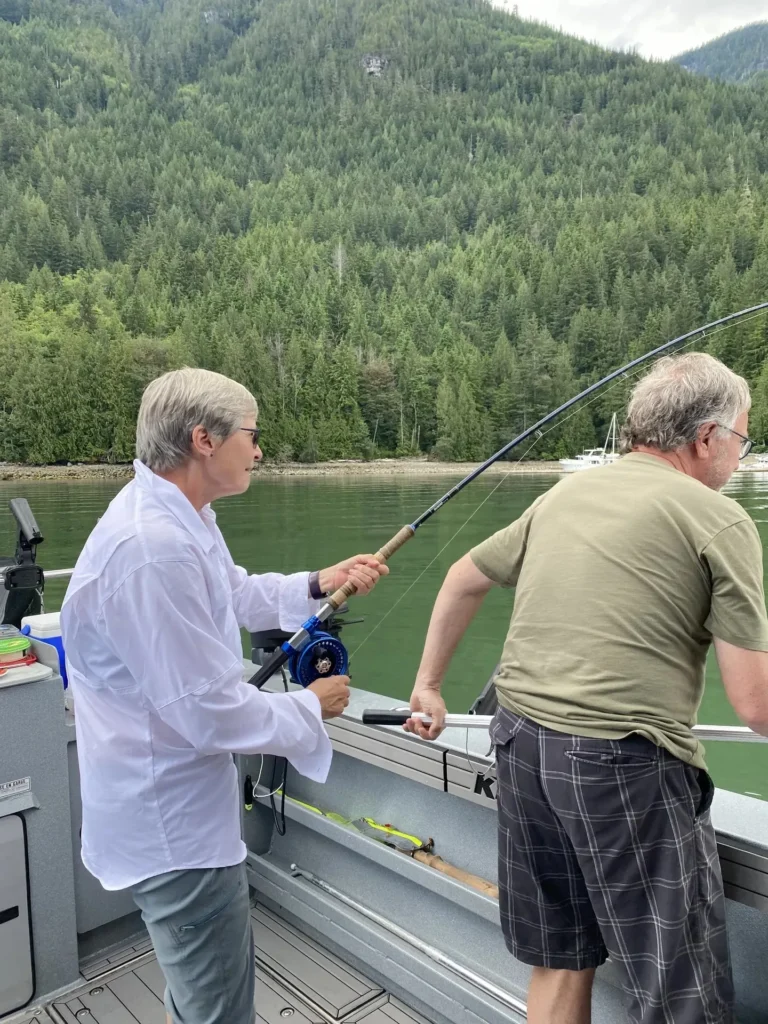
Fishing itself introduces specific safety considerations. Rods under tension, hooks, weights, and active fish all require attention and coordination.
Captain Keith provides clear instruction on how to handle rods, when to step back, and how to move safely during active fishing moments. Guests are encouraged to ask questions and to communicate if they feel unsure at any point.
Children and first time anglers receive additional guidance to ensure they are comfortable and confident. No one is rushed or pressured to perform beyond their comfort level.
Emergency Preparedness and Response
While emergencies are rare, preparation ensures calm and effective response if something unexpected occurs. Emergency protocols cover a range of situations including mechanical issues, medical concerns, and changes in sea conditions.
The vessel is equipped with communication systems to contact emergency services if needed. First aid supplies are onboard, and Captain Keith is trained to respond appropriately while prioritizing passenger wellbeing.
Clear procedures allow issues to be managed efficiently without panic. This preparation is a key reason why guests can relax and trust the process.
Guest Responsibilities Onboard
Safety is a shared effort. While Captain Keith manages the vessel and overall operation, guests also play an important role by following guidance and remaining aware of their surroundings.
Guests are asked to:
- Wear appropriate clothing for weather and sea conditions
- Follow instructions during fishing and movement
- Communicate health concerns or limitations
- Avoid unsafe behavior such as running or leaning over rails
These simple responsibilities help ensure that everyone onboard has a safe and enjoyable experience.
Accessibility and Individual Needs
Every group is different. Some guests may have limited mobility, medical considerations, or previous boating experience. These factors are best discussed in advance so accommodations and planning can be adjusted where possible.
Captain Keith welcomes these conversations and approaches them with practicality and respect. Clear communication allows the trip to be tailored while maintaining safety standards for everyone.
Safety as Part of the Overall Experience
Strong safety protocols do not make a charter feel restrictive. In fact, they do the opposite. When guests know that the vessel is prepared, the conditions are monitored, and decisions are made thoughtfully, they can focus fully on the experience.
Confidence in safety allows for better fishing, more relaxed learning, and greater enjoyment of the surrounding environment. It also reflects professionalism and respect for the water.
Safety as Part of the Overall Experience
Strong safety protocols do not make a charter feel restrictive. In fact, they do the opposite. When guests know that the vessel is prepared, the conditions are monitored, and decisions are made thoughtfully, they can focus fully on the experience.
Confidence in safety allows for better fishing, more relaxed learning, and greater enjoyment of the surrounding environment. It also reflects professionalism and respect for the water.
Book With Confidence
Choosing a charter is about more than catching fish. It is about trust, preparation, and care for everyone onboard. Salmon Seekers Fishing is committed to providing a safe, professional, and enjoyable experience on every trip.
If you are ready to experience salmon fishing with confidence and peace of mind, book your charter fishing trip with Captain Keith today and enjoy a day on the water built around safety, skill, and respect for the sea.