Understanding which salmon species run during each season is one of the most important parts of planning a successful fishing trip on Vancouver Island. Salmon runs are not random. They follow predictable seasonal patterns shaped by ocean conditions, river systems, and each species’ life cycle. Knowing what is running and when allows anglers to set realistic expectations, choose the right timing, and appreciate why some months consistently produce better fishing than others.
At Salmon Seekers Fishing, Captain Keith plans every charter around these natural cycles. Rather than chasing fish that are unlikely to be present, trips are timed to align with the strongest runs in local waters, ensuring guests are fishing when the odds are naturally in their favour.
This guide breaks down which salmon species run in each season, how those runs behave, and what that means for anglers visiting Campbell River and surrounding waters.
Book your excursion with Captain Keith today!
The Five Pacific Salmon Species
Before diving into seasonal breakdowns, it helps to understand the five Pacific salmon species found along the British Columbia coast. Each species has its own migration timing, size range, and behaviour.
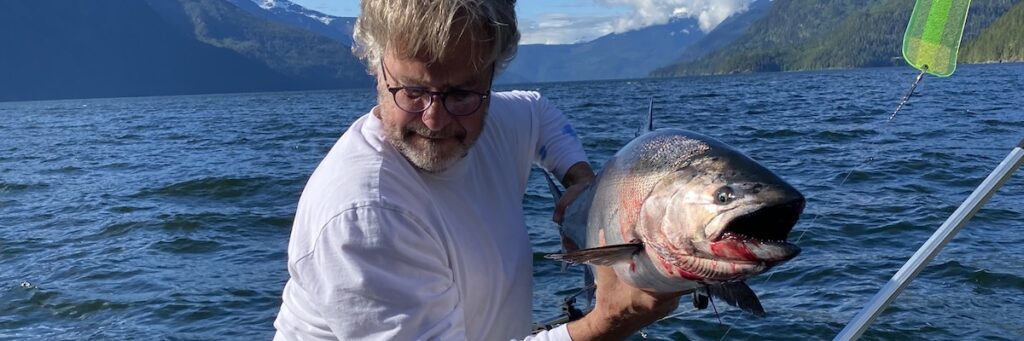
Chinook, also known as king salmon, are the largest and most powerful of the group. Coho, or silver salmon, are aggressive fighters and a favourite for many anglers. Sockeye are prized for their flavour and follow very specific river systems. Pink salmon are smaller and run in huge numbers during strong years. Chum salmon are powerful fish that tend to arrive later in the season.
Not all species are present every month, and some are far more reliable than others depending on the time of year.
Spring Salmon Runs
March to May
Spring marks the beginning of the salmon fishing season for many anglers on Vancouver Island. Water temperatures start to rise, baitfish activity increases, and the first consistent salmon opportunities appear.
During spring, Chinook salmon are the primary target. These fish are often referred to as feeder Chinook. Rather than rushing upriver to spawn, they are spending extended time feeding along the coast and near river mouths.
Spring Chinook fishing is defined by patience and precision. Fish are often spread out, but when conditions line up, the rewards can be excellent.
What anglers can expect in spring:
- Chinook salmon are the main species available
- Fish sizes range from smaller feeders to larger early season adults
- Fishing conditions are generally calmer than later summer months
- A quieter, more relaxed on the water experience
Captain Keith often recommends spring trips for anglers who enjoy a technical approach and uncrowded waters.
Early Summer Salmon Runs
June
June is a transitional month where salmon activity begins to increase noticeably. Chinook numbers build steadily, and the overall pace of fishing improves.
This is when Chinook fishing really starts to shine. Larger fish become more common, and feeding patterns are more consistent. While other species are still limited at this point, June is widely regarded as one of the best months for anglers focused on Chinook.
Coho season opens in June, usually with good abundance, but in the 5-7 lb range. They will grow throughout the year.
Why June stands out:
- Increasing Chinook abundance
- Better consistency day to day
- Longer daylight hours for extended fishing opportunities
- Stable weather patterns
June trips are ideal for anglers looking for quality over quantity and those hoping to land a trophy Chinook.
Peak Summer Salmon Runs
July and August
Summer is peak season for salmon fishing in Campbell River, and for good reason. Multiple species are present, runs overlap, and fishing opportunities are at their most diverse.
Chinook continue to be strong through July, especially early in the month. As summer progresses, Coho salmon begin to appear in increasing numbers. These fish are aggressive, fast, and known for their exciting fights.
Sockeye salmon are most abundant in mid to late August when volumes allow. In strong years, Pink salmon may also start showing toward late summer, adding even more action.
What makes summer fishing exceptional:
- Overlapping Chinook and Coho runs
- High fish activity levels
- Longer days and warmer weather
- Consistently productive fishing grounds
This is the season Captain Keith recommends most often for first time visitors, families, and anglers looking for a classic West Coast salmon experience.
Late Summer and Early Fall Salmon Runs
September
September is when salmon fishing reaches its most dynamic phase. Chinook are still present, Coho numbers are strong, and additional species begin entering the system.
September offers variety and volume, making it one of the most exciting months on the water.
Anglers in September may encounter:
- Chinook nearing their spawning phase
- Aggressive Coho salmon now up to the 15lb range
- Sockeye during return years
- Pink salmon in high abundance during strong runs
This is a month where flexibility pays off, and Captain Keith adjusts tactics daily based on which species are moving through.
Fall Salmon Runs
October
October marks a shift in both salmon behaviour and fishing conditions. As water temperatures cool and daylight hours shorten, salmon focus more heavily on their spawning migrations.
Coho salmon remain a primary target during early October, often staging near river mouths. Chum salmon begin arriving as well, known for their strength and powerful runs.
While Chinook numbers decline, the fish that remain are often large and highly motivated.
Key features of October fishing:
- Strong Coho presence early in the month
- Arrival of Chum salmon
- Fewer boats and quieter waters
- Dramatic coastal scenery as fall sets in
For experienced anglers or those looking for something different from peak summer crowds, October offers a rewarding alternative.
Late Fall and Winter Salmon Activity
November to February
Late fall and winter are considered the off season for most salmon fishing in saltwater. Many species have completed their spawning runs, and weather conditions become more unpredictable.
That said, resident Chinook can still be present in local waters throughout the winter months. These fish tend to be smaller and more scattered, but dedicated anglers can still find opportunities on calm days. Winter excursions can be very rewarding.
Why Salmon Runs Matter When Booking a Charter
Understanding seasonal salmon runs is not just about curiosity. It directly impacts trip planning, expectations, and overall success.
Booking a trip during the wrong season for your target species can lead to frustration. Booking during a peak run dramatically increases your chances of action and enjoyment.
Captain Keith uses decades of local knowledge to match charter timing with active runs, adjusting locations, techniques, and strategies to suit what the fish are doing at that moment.
Planning Your Trip Around the Right Season
When deciding when to book, consider what matters most to you.
Some anglers prioritize size and target Chinook in spring and early summer. Others want fast action and variety, making late summer and early fall ideal. Families and first time anglers often enjoy the consistency and comfort of peak summer months.
No matter the goal, aligning your trip with the right salmon run is the key to a memorable experience.
Book Your Salmon Fishing Charter
The best salmon fishing happens when timing, local knowledge, and preparation come together. Captain Keith plans every trip around the natural rhythm of salmon runs, giving guests the best possible opportunity on the water.
If you are ready to experience Vancouver Island salmon fishing at its best, book a charter fishing trip with Salmon Seekers Fishing and let Captain Keith take you to where the fish are running.